
Inside a Voiceover Edit: Breaths, Stumbles and the Script
A walk through how a voiceover edit is really done, from the first listen against the approved script to the last pass for rhythm, with the choices made at each step.
Daniel Okafor · · 5 minutes to read
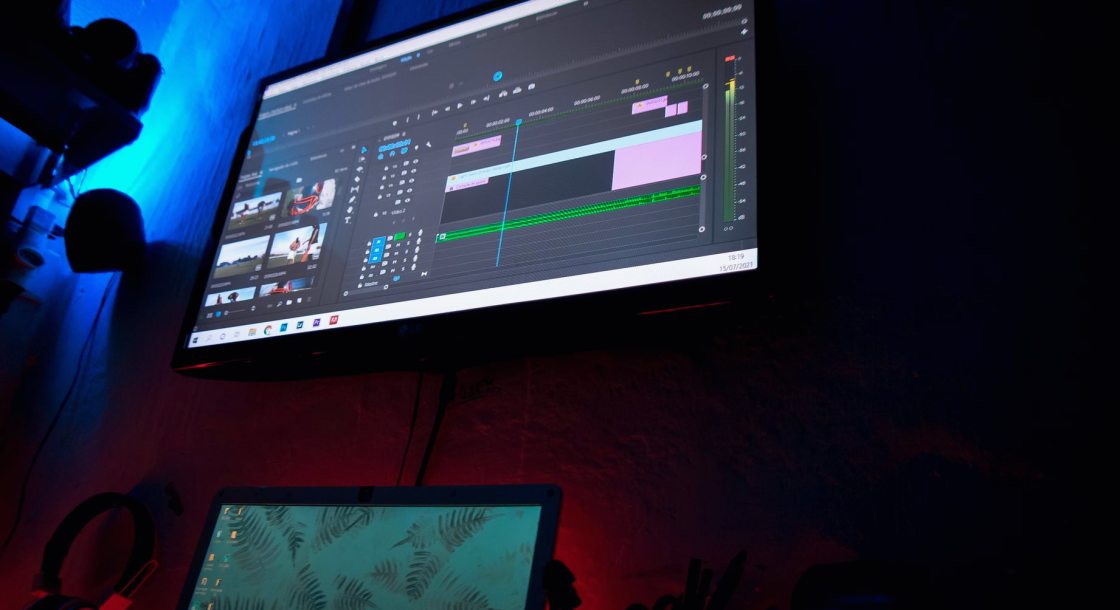
Listening before touching anything
Every edit I teach begins with a full listen, headphones on, script in hand, and no cuts made. It feels slow, and learners often want to start trimming the moment the file opens. But the first pass is where you learn how this particular speaker works: where they rush, where they drop their voice at the end of a line, which words they keep fluffing.
While listening I mark the script rather than the waveform. A small tick beside a clean line, a question mark beside a doubtful one, a note where two takes exist. By the end the script tells me what the job really is, and whether it will take an hour or an afternoon. That marked page is the most useful thing I produce in the first stage.
- Listen once through without cutting
- Mark the approved script, not the waveform
- Note where more than one take exists
Choosing between takes
Most recordings contain the same line two or three times. The temptation is to pick whichever sounds cleanest, but the better choice is usually the take that fits the sentences around it. A line read with a lifting tone will sound odd if the next sentence was read flat in a different mood.
So I audition a candidate in context: the line before, the line after, at normal speed. If the join feels like a different person speaking, I try another take. Sometimes the best answer is a first half from one take and a second half from another, joined at a natural pause. Learners find this the hardest habit to build, because it asks you to judge flow rather than quality of a single sentence.
I keep the rejected takes on a spare track, muted but not deleted. If a reviewer later asks for a warmer reading of one sentence, the alternative is a few seconds away rather than a request back to the speaker.
Breaths, clicks and the stumbles that stay
Breaths are not errors. A voice with every breath removed sounds strangely tight, as if the speaker were reading under pressure. I reduce the loud ones, especially those that land right before a key word, and leave the quiet ones where they fall at natural phrase boundaries.
Stumbles are a different matter. A repeated word, a false start or a mouth click can usually be removed with a small cut at the zero crossing and a very short crossfade. What matters is the gap you leave. Cut too tightly and the rhythm turns mechanical; leave a little too much and the sentence sags. I tend to keep the pause that the speaker would have made if they had said the line correctly the first time.
One stumble I often keep is a light, human hesitation in an interview-style piece. Removing it can make a thoughtful speaker sound scripted.
- Reduce loud breaths before key words
- Cut at zero crossings with a short crossfade
- Keep pauses a fluent speaker would have made
Matching the performance to the script
The approved script is the reference, and any departure from it needs a reason. Speakers ad-lib, swap a word, or read an older version. I compare the recording with the script line by line and flag every difference, even small ones, before deciding whether to repair it.
If a changed word is harmless, I note it for the producer instead of deciding silently. If it alters a figure, a name or a claim, it goes back for confirmation. Nothing is invented or rebuilt from other words without approval, because the person who signed off the script should recognise what they hear.
This is also where learners practise saying no to a quick fix. Stitching a missing word from another sentence can work technically and still be wrong editorially. The script check keeps the edit honest and gives the review stage something concrete to refer back to.
The final pass for rhythm
Once the cuts are in, I play the whole piece without looking at the screen. If my attention drifts, there is a rhythm problem somewhere, usually a run of pauses that are all the same length. Real speech varies, so I adjust a few gaps to be a touch shorter or longer, with longer pauses at paragraph turns and tighter ones within a sentence.
Then I listen once more at the level the audience will hear it, not the level I edited at. Small joins that were invisible on a large monitor sometimes show up on laptop speakers. I fix those, label the session clearly, and only then prepare the review version.
None of this is dramatic. It is a long series of small decisions, each easy to defend and easy to reverse, which is why the finished voice sounds like nobody touched it.
A good voiceover edit is mostly restraint. Listen first, mark the script, choose takes that fit their neighbours, keep the breaths that belong, and check everything against the approved text. The course teaches these habits in that order because each one protects the next. By the end, learners can explain every cut they made, which is the best sign the edit will survive a review round.
Daniel Okafor
Instructor, Sync and ReviewDaniel works with picture editors on synchronisation and review workflows. He guides learners through feedback rounds and revision scope.