
Notes on cleaner voices and finished audio
Short, practical articles on voiceover editing, dialogue cleanup, balancing and delivery, written by the instructors from the problems that producers actually bring them.

The journal runs to about an article a day, each one focused on a single point of speech editing or delivery. Read them in any order; they stand alone and follow the same careful approach as the course.
 · Source Files
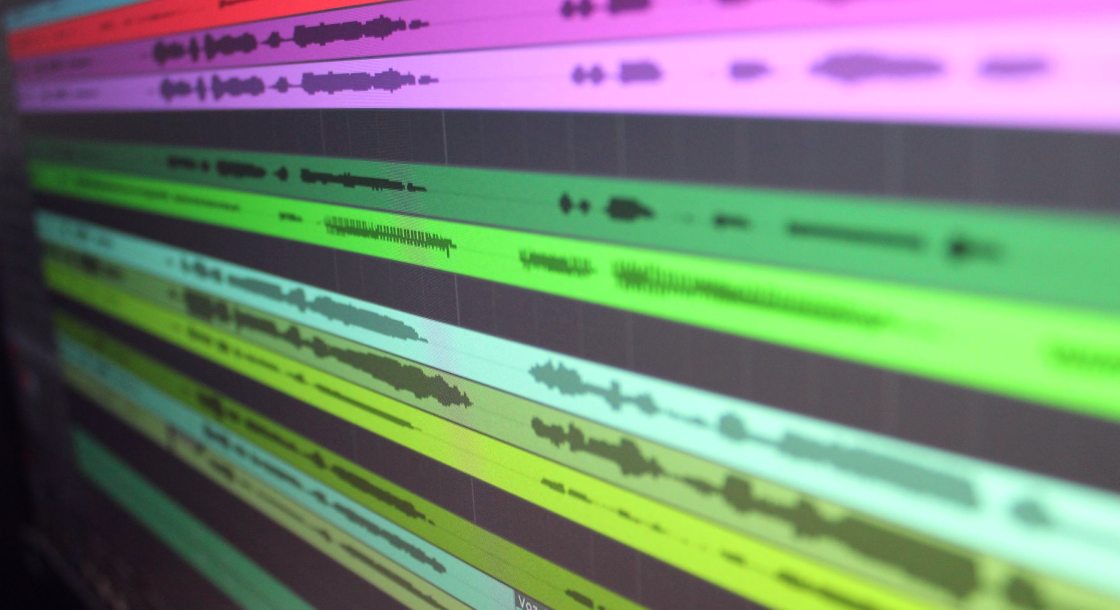
How to Prepare Source Files Before Any Editing Begins
A practical walk through checking, labelling and organising authorised recordings and an approved script, so the editing that follows is calm, accurate and easy to review.
Continue reading → · Review and Revisions
A checklist for settling your review version setup before you start
Before you agree how feedback rounds will run, work through these questions on review versions, who signs off, and what counts as a revision. Daniel Okafor sets them out in the order he asks them.
Continue reading → · Level Balancing
Six Level Balancing Mistakes That Make Good Dialogue Sound Uneven
Most uneven mixes come from a handful of habits, not bad recordings. Here are the mistakes we see most in explainers and interview films, and how to correct each one.
Continue reading → · Delivery Costs
What Final Audio Delivery Costs and What Moves the Price
Exporting finished audio looks like the cheap last step, yet the cost depends on how many formats, versions and checks are needed. Here is what actually drives the figure.
Continue reading →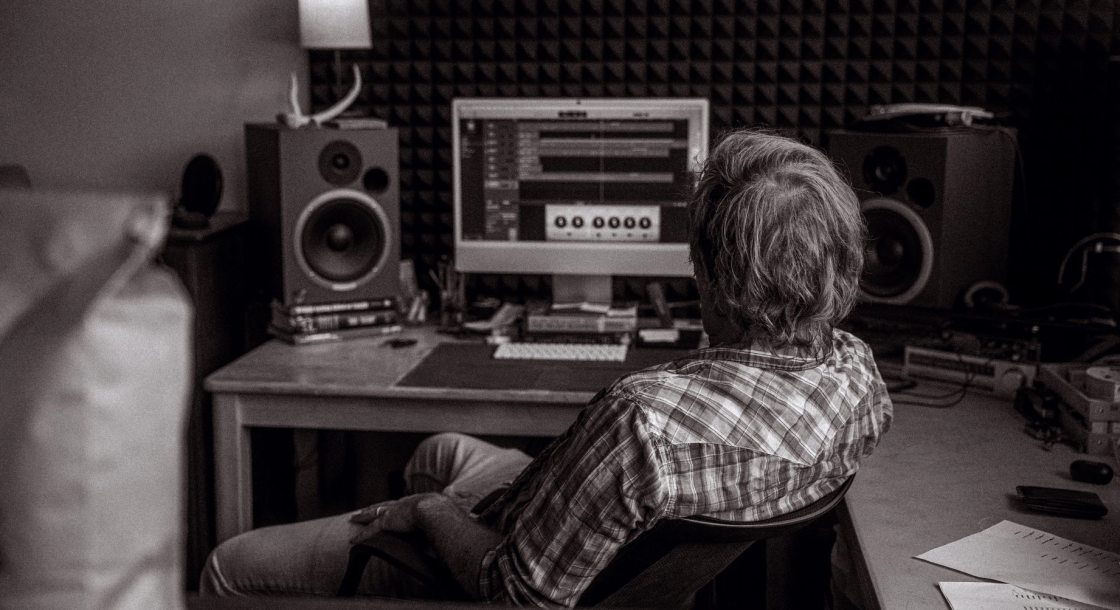 · Sync Case
When Narration Drifted: Sorting Out Sync for Leanne's Explainer
A short story about Leanne, a small-team producer whose explainer narration slipped out of step with picture, and how we found the cause and locked the audio back to the timeline.
Continue reading → · Dialogue Cleanup
Dialogue Cleanup Before the Dark Months: Room Tone, Hum and Harsh S
As recording moves indoors for the colder months, interview and report audio picks up new noise. Here is how to plan dialogue cleanup so the voice stays natural and the edit stays calm.
Continue reading → · Editing Terms
Room Tone, Crossfades and Pickups: Voiceover Editing Terms Explained
Three terms editors use every day, room tone, crossfade and pickup, explained in plain words with a note on how each one protects the natural rhythm of a recorded voice.
Continue reading → · Source Files
Two Ways to Organise Source Files Before Editing Starts
A comparison of organising recordings by speaker or by script section, with a recommendation based on how voiceover and interview material actually behaves once the timeline is open.
Continue reading → · Review Workflow
How a Review Version Is Built Before Anyone Gives Feedback
A look at how we prepare a review version for producers: what goes into the file, how comments are gathered, and how revisions stay inside the scope agreed at the start.
Continue reading →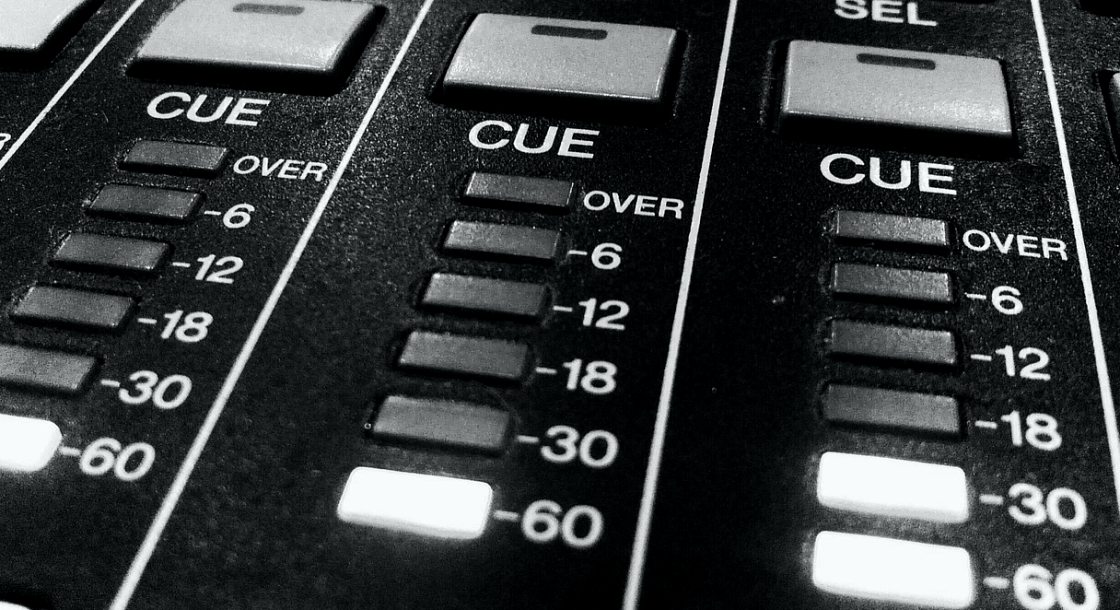 · Level Balancing
Level Balancing Questions Producers Ask Us Most Often, Answered
The one question we hear most in the Level Balancing module is why speech, music and effects never seem to sit together. Here are the straight answers, step by step.
Continue reading → · Course news
What We Now Teach in the Final Delivery Formats Module
The delivery module has been reworked this autumn: clearer file formats, sample rate choices and naming rules for broadcast, web and archive, with a practice export at the end of each unit.
Continue reading → · Methods and Tools
The Tools We Use to Lock Dialogue to Picture
Rhys Pritchard describes the timeline markers, reference tones and checking habits he relies on when matching edited voiceover to video, and why the method matters more than the software.
Continue reading → · Dialogue Cleanup
How to Clean Up Interview Audio Without Losing the Voice
A practical walk through hum, background noise and harsh sibilance in interview and report recordings, with an order of work that keeps the speaker sounding like themselves.
Continue reading → · Voiceover Editing
A Checklist for Judging Voiceover Edits Before You Sign Off
Before you approve a voiceover edit, run through these checks on breaths, stumbles, take choice and rhythm, so the finished read stays natural and matches the approved script.
Continue reading → · Source Files
Preparing Source Files: Mistakes That Cost Editors Hours
Most trouble in a voiceover edit starts before the first cut. These are the preparation mistakes we see most often with recordings and scripts, and the simple habits that prevent them.
Continue reading → · Costs and Scope
What Review Versions and Revisions Cost, and What Moves the Price
A look at what drives the cost of preparing a review version and handling feedback rounds, and how a clear revision scope keeps an audio editing job predictable for both sides.
Continue reading → · Level Balancing
Balancing a Reporter's Voice Against Music: Notes From Owen's Project
Owen brought a recorded report where the narration kept vanishing under the music bed. This short case follows how we evened out the levels so every segment sat comfortably together.
Continue reading → · Final Delivery
Getting Final Audio Files Right Before the Winter Delivery Rush
As autumn schedules fill, a calm look at the file formats, sample rates and naming habits that keep finished audio from bouncing back at the last step.
Continue reading → · Sync Terms
Drift and Offset: Two Sync Terms Explained in Plain Words
Two words come up whenever audio and picture disagree: offset and drift. Rhys explains what each one means, how to tell them apart on a timeline, and why the fix differs.
Continue reading → · Dialogue Cleanup
Noise Reduction or Manual Repair: Which Suits Interview Audio?
A comparison of two ways to clean interview and report recordings, automated noise reduction and hand repair, with a clear recommendation for producers working under time pressure.
Continue reading →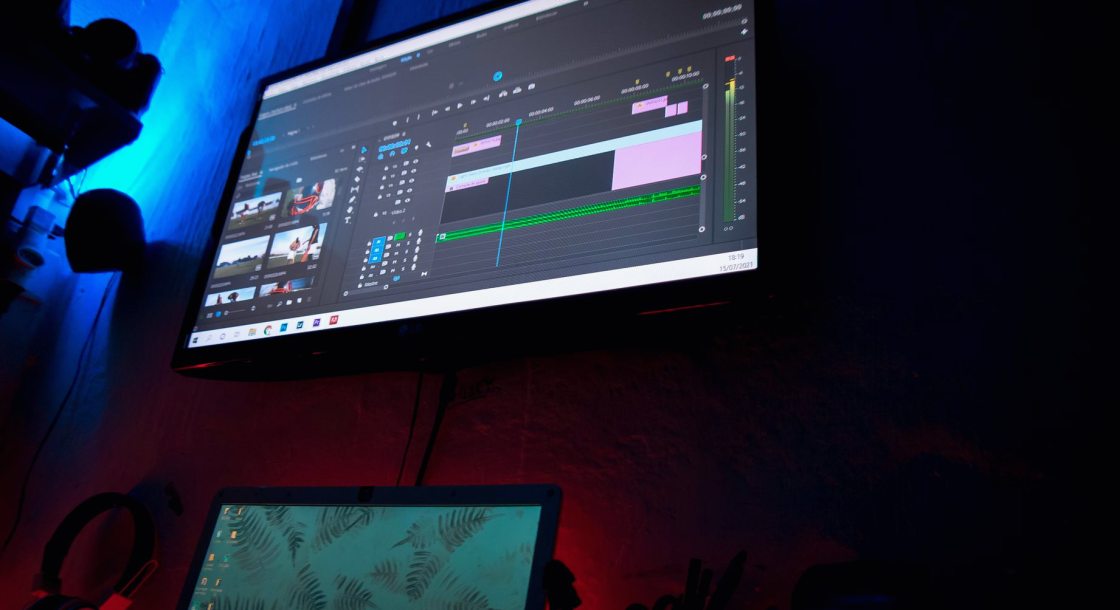 · Behind the Scenes
Inside a Voiceover Edit: Breaths, Stumbles and the Script
A walk through how a voiceover edit is really done, from the first listen against the approved script to the last pass for rhythm, with the choices made at each step.
Continue reading → · Source Files
What Producers Ask Most About Preparing Source Files Before Editing
The questions we hear most from producers about source files: what to send, how to name it, and which approvals to settle before any editing of the voice begins.
Continue reading → · Course News
Keeping Revision Rounds Within Scope: What We Teach in Review Versions
The Review Versions and Revisions module closes the course. Here is how learners prepare a review version, handle feedback and hold each revision round to the scope agreed at the start.
Continue reading → · Methods
The Meters, Monitors and Methods Behind Our Level Balancing
A look at the tools we rely on when balancing speech, music and effects: loudness meters, calibrated listening and a fixed order of passes that keeps every segment sitting comfortably together.
Continue reading → · Delivery
Naming and Checking Final Audio Files Before They Leave Your Desk
A practical walk through the last hour of an audio job: naming files, confirming sample rates, and running a final listen so broadcast, web and archive copies all arrive intact.
Continue reading →